Views: 0 Author: Site Editor Publish Time: 2025-09-22 Origin: Site
When you design a custom lapel pin, you may focus on art.
But the real secret is the back—it keeps your pin safe.
The right attachment changes comfort, security, and style.
In this guide, you’ll learn the most common pin backs.
We’ll show how they work and how to choose wisely.
A pin back is the mechanism that secures the pin to clothing or surfaces. It may pierce fabric, grip magnetically, or lock into place with a screw. Without the right backing, even the most beautiful pin risks falling off.
Attachments affect both how a pin feels and how reliable it is. For example, rubber clutches are soft against skin but less secure, while locking clutches offer safety at the cost of bulk.
Pins for casual wear need easy removal. Formal wear demands sleek, discreet backs. Collectible pins require secure systems to prevent loss.
This is the heart of the article—covering the most widely used options and their pros and cons.
● Small metal backing with two squeeze tabs
● Standard inclusion with most pins
● Works best on light fabrics like shirts
● Risk: accidental detachment in crowded spaces
● Made of soft rubber, often color-matched to the pin
● Comfortable against skin, ideal for daily wear
● Less secure over time as rubber stretches
● Popular among enamel pin collectors
● Internal locking mechanism provides a firm hold
● More expensive but adds value to premium pins
● Ideal for jackets, uniforms, and outerwear
● Perceived as more professional than rubber or butterfly clutches
● Uses two magnets to secure pin
● Protects delicate fabrics like silk or leather
● Limited strength on thick materials
● Great for uniforms in schools or hospitals where safety is key
● Familiar mechanism like a standard safety pin
● Lies flat, hard to detach accidentally
● Bulkier design, more visible on the back
● Preferred for flag pins and political lapel pins
● Includes flat disc locks or ball-top vintage locks
● Requires two hands to open, but highly secure
● Prevents accidental loss of rare or expensive pins
● Used by collectors and in outerwear applications
● Pins screw into place using bolts and nuts
● Very secure but less convenient for frequent wear
● Great for display pins, heavy designs, or tamper-proof uses
● Light fabrics → butterfly or rubber clutches
● Heavy coats → deluxe clutches or threaded screws
● Delicate fabrics → magnetic backs
● Comfort-focused = rubber or magnetic backs
● Security-focused = locking clutches or threaded backs
● Middle ground = butterfly clutch
● Events: butterfly clutches for easy removal
● Uniforms: deluxe or jewelry clutches for durability
● Collectibles: locking systems for peace of mind
● Gifts: magnetic or rubber backs for casual use
Tie tacks keep pins neatly centered on ties. Tie bars spread across the tie, ideal for wide designs or logos.
Chains link the pin to the tie, adding a classic and upscale look. Often used for corporate gifts or awards.
● Subtle: jewelry clutches or tie tacks
● Statement: chains, tie bars, or decorative backs
Use locking mechanisms for expensive or sentimental pins. Avoid single clutch on heavy pins.
Select magnetic backs for silk, satin, or leather. Test attachments before gifting.
Rubber clutches and magnets are easier for smaller or less dexterous hands.
Offer near-permanent security. Used in museum displays or high-value collectibles.
Stronger than standard magnets. Suitable for coats and thick uniforms.
Some designs combine magnets and clutches, offering flexibility for different fabrics.
Collectors value locking backs to preserve rare pieces.
Some prefer flat backs for display boards, others enjoy vintage threaded screws.
Pins meant for boards may use stick pins, while daily wear demands comfort and security.
Key Factor | Best Options | Notes |
Light Fabrics | Butterfly, Rubber | Easy removal, low risk |
Heavy Fabrics | Deluxe, Threaded Screws | Extra security needed |
Delicate Fabrics | Magnetic | Prevents fabric damage |
Collectibles | Locking Clutches, Screws | Security prioritized |
Formal Wear | Tie Tacks, Chains, Jewelry Clutch | Professional presentation |
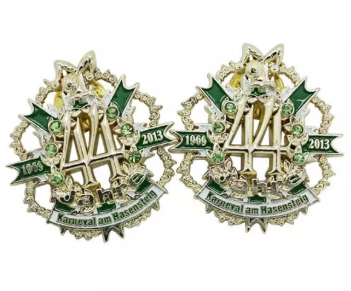
The back of a lapel pin is more than an afterthought. It defines comfort, safety, and durability, ensuring pins stay secure and stylish. For collectors, events, or businesses, choosing the right attachment is a strategic decision that protects investment and strengthens brand value.
CUGLE offers expertly crafted lapel pins with diverse backing options, blending design with reliability. Their products deliver long-lasting quality and practical elegance, making every custom pin a statement piece.
A: The butterfly clutch is the most common lapel pin back, offering easy use for light fabrics.
A: The backing keeps a lapel pin secure, prevents loss, and improves comfort on different fabrics.
A: Magnetic backs hold a lapel pin without piercing fabric, making them ideal for delicate materials.
A: Yes, locking backs add security, especially for valuable lapel pin collections or heavy outerwear.
A: Jewelry clutches or tie tacks are best for lapel pin use in formal and business settings.


